


Behind the scenes of Ricardo's in-house manufacturing capability: Q&A with Steven Rawson


When it comes to manufacturing, Steve Rawson knows exactly what it takes to deliver world-class automotive components. After over 40 years of experience in the industry, he joined Ricardo at the beginning of 2025 as Head of Manufacturing at Midlands Technical Centre in Leamington Spa. He now looks after looks after day-to-day operations at our in-house manufacturing driveline manufacturing capability – managing the production of up to 60,000 complex components annually.
He took a few minutes out of his busy schedule to talk to us about all things driveline manufacture, and how a combination of cutting-edge manufacturing technology and a team of expert technicians and engineers with decades of cross-industry experience come together to deliver the manufacturing excellence that Ricardo is known for.
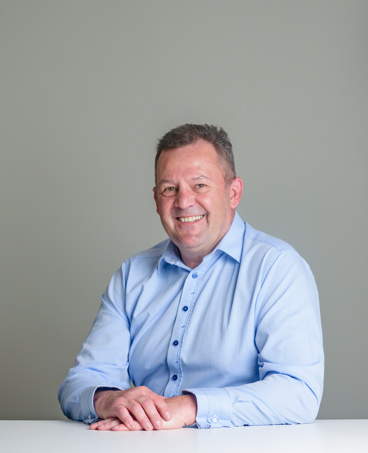
Q: Tell us a bit about yourself and your manufacturing background
Steve Rawson: I’ve been in manufacturing for over 40 years, starting with an apprenticeship at 16 at a place called Blundells precision, making precise turned parts in volume. I qualified on Wickman multi spindle lathes completing my 4 years, then opting to study a further year to obtain a Higher National Certificate.
Since then, I’ve gained a lot of experience in manufacturing for the automotive industry, from pressing and body manufacturing to assemblies. This has given me a broad exposure to different volumes and complexities. I’ve worked in roles where I’ve been managing production of low volume complex components, right up to overseeing operations producing high-volume batches of 20–30,000 parts per year. Both styles of delivery come with their own sets of operational challenges, but ultimately, they all require the same elements to be successful: precision, planning, timely problem‑solving, and a great team behind it all.
I was excited to join Ricardo because they are well known in the industry for the innovation and quality of product. I had actually worked with Ricardo many times as a customer and I was always impressed with the level of service they delivered. When this opportunity came, the fit was perfect for the skills and experience that I had gained over the many years, so I was really pleased when I got the role.
It’s given me the opportunity to apply my experience to drive the continuous improvement of our operations which is so important to ensuring that our customers receive the exceptional product and service that they expect from a brand like ours.
For me, it’s all about focussing on investing in right technology which will drive efficiencies, improve our capability and deliver added value to our clients, whilst continuing to nurture and grow the fantastic team that we’ve got working on our shop floor – building and maintaining the operational environment that they need to do what they do best.
Q: Tell us a bit about the facility that you are managing
Steve Rawson: The Machine Shop at Midlands Technical Centre, located in Leamington Spa, specialises in the manufacture of driveline and torque path components for applications in highly regulated industries ranging from motorsport to aerospace.
The 5000m2 facility is home to over 150 skilled technicians and engineers who specialise in manufacturing high-precision components requiring complex geometries, tight tolerances, specialised quality management processes, and high precision finishing.
We manufacture everything in-house as part of Ricardo’s end-to-end driveline solutions as well as offering make-to-print services to clients requiring series production of complex components in batch.
Q: What is it like managing an in-house manufacturing operation where the production team is sitting alongside the designers, engineers, and test operations?
Steve Rawson: Being an in-house manufacturing operation as part of an end-to-end offering certainly has its advantages. We can work directly with designers and engineers from clean sheet, right through to production and test – with seamless integration across project management, purchasing, manufacturing engineering, production control, and the shop floor.
Aligning all these functions gives us a lot of flexibility and is invaluable in enabling high‑quality output and efficiencies that we can ultimately benefit our client.
When it comes to prototyping, for example, having ready access to the team that designed the component means that we can run modifications or design for manufacture updates more quickly than if we needed to communicate with an external design authority. So, it certainly makes any troubleshooting easier.
We have the skills and agility to programme and manufacture components ourselves and modify as required, reducing lead times for our customers, which represents a major advantage, particularly during early development phases.
But I think it’s also important to acknowledge the role that the extensive experience of team behind our operations plays in delivering our capability. Beyond our technical capabilities, the skills of our specialist technicians and expert engineers are critical to delivering the world-class results that that our clients have come to Ricardo for.
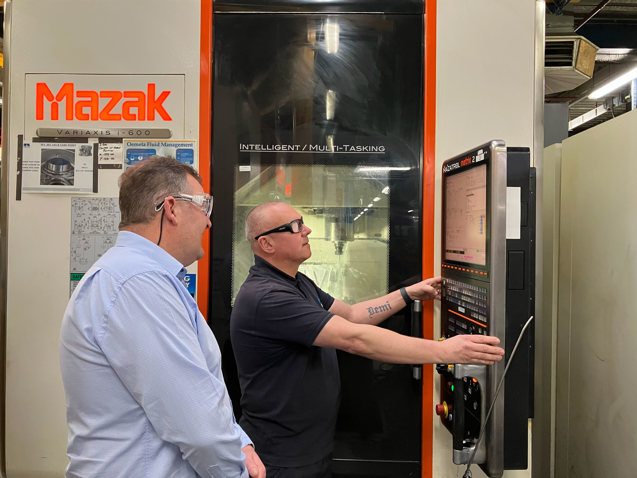
Q: Tell us some more about the people behind the manufacturing operation. How important are the skills of our specialist technicians and expert engineers in supporting our customers?
Steve Rawson: Whilst we have access to some of the best machining tools and equipment around, without doubt our biggest strength as a business is the extensive knowledge and skill base within our talented team.
Our expert engineers and technicians, many of whom have several decades of practical manufacturing experience and hands-on industry knowledge, have worked on a wide variety of programmes requiring components with extremely tight tolerances that are going to be operating under complex and performance applications.
This experience means that our team can provide a level of insight and problem‑solving ability that is extremely difficult to acquire externally. They know how to get the best results out of the materials with the resources that we have in place. And if things don’t quite go to plan, they know how to identify and resolve any issues, and then evolve processes to enable that continuous improvement that we all strive for as a business.
And it can’t be underestimated how important it is that the team enjoy what they do. It’s hard work, but seeing the results of those efforts out in the real-world – running on a racetrack or going up the hill in a hypercar at Goodwood Festival of Speed – it makes the team really proud of their achievements. I’m lucky to be able to manage such a great bunch of people who understand that we can only deliver outstanding results if we work as a team.
Q: With all that experience in the team, how are you training the next generation of experts coming into the business?
Steve Rawson: Finding new talent is always a bit of a challenge when your shopfloor is as highly skilled as ours, but one of the great things about our team is that we are always learning from each other and we are constantly taking the time to reflect and improve on our processes.
Every year, we take on 4-5 apprentices through Ricardo’s apprenticeship programme and train them up across every area of the manufacturing facility. They also have the option of doing supporting further learning so there are lots of ways that they can build long-term careers within the business.
Our team members really enjoy sharing their knowledge and take real pride in mentoring them and seeing their skills grow.
This structured development approach and the knowledge base that they have access to means that we end of up with a really high calibre of graduates who have benefited from the extensive knowledge of our more experienced team members, whilst also bringing the fresh ideas and perspectives into the business which are essential for growth.
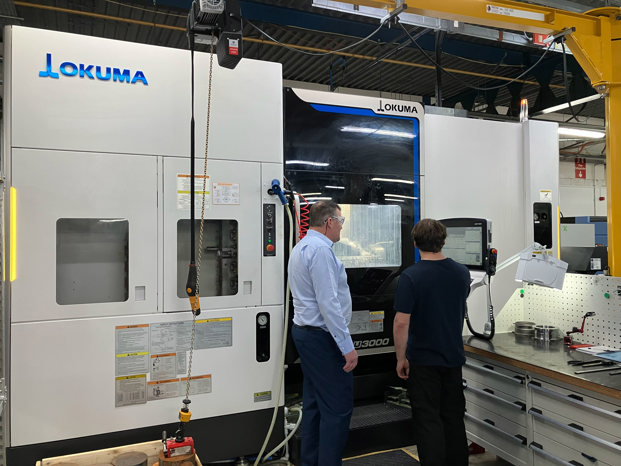
Q: Sustainability is important to Ricardo. How are the manufacturing operations at MTC helping the organisation to reach its sustainability goals?
Steve Rawson: Having an in-house manufacturing operation gives us direct control over our materials, suppliers and production processes, allowing us to make responsible sourcing decisions and maintain high quality standards. By keeping production internal, we can optimise processes, reduce material waste and minimise defects whilst continuously improving our energy efficiency which we monitor year on year across our site with overall success.
One example of an initiative that we are taking to reduce waste is that we operate a closed-loop coolant management system within our machine operations, supported by a water centrifuge system in stream finishing. Coolant is filtered, treated and reused across multiple production cycles, significantly reducing hazardous waste disposal, lowering demand for virgin coolant and minimising transport-related emissions. Managing this internally with our in-house maintenance team allows us to monitor performance closely and continually refine our processes, embedding sustainability into our day-to-day operations rather than treating it as an add-on.
Q: What’s next for the Midlands Technical Centre manufacturing team?
Steve Rawson: We are always looking to improve our capability and processes to deliver the best product for our customer. I’m excited to share that we recently invested in new state-of-the-art machines, which will include a complete upgrade of our in-house heat treatment capability. These improvements will expand our capability and improve throughput and reliability. Watch this space for more news on these upgrades coming soon.
If you would like to learn more about Ricardo’s in-house driveline manufacturing capability, reach out to one of our experts to arrange an appointment.


Have you got a question about this article? Contact us here:
Can't see this form? Email us here