

Real emergency calls: what Poison Centres can and cannot do



As chemical incidents can occur at any stage of the supply chain, organisations must ensure emergency contact information provides the right expertise for every scenario. Relying solely on Poison Centre numbers may meet regulatory requirements, but it does not guarantee timely, practical guidance for spills, fires or other non-medical incidents.
Poison Centres are established to support healthcare professionals with human exposure cases, not to advise on spills, fires, unexpected reactions or environmental releases. Across Europe, many organisations list only the local poison centre number on their Safety Data Sheets (SDS) and, while this meets the REACH Annex II requirement, it often creates a supply chain risk. Poison Centres are established to support healthcare professionals with human exposure cases, not to advise on spills, fires, unexpected reactions or environmental releases.
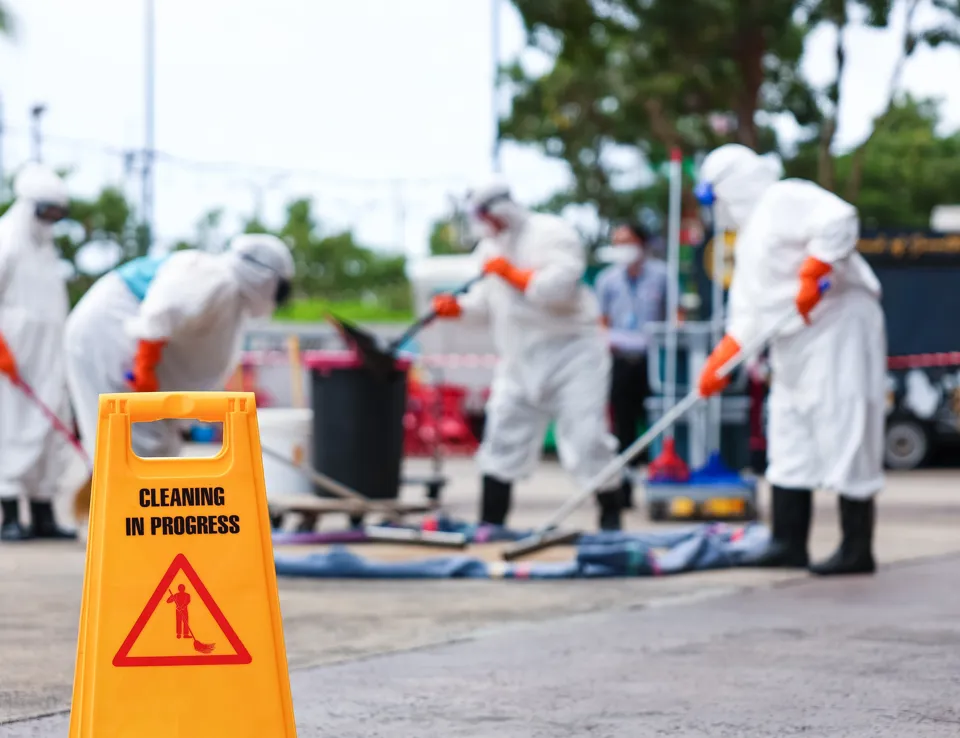
When non-medical chemical release incidents occur, contacting a Poison Centre can delay decision making and increase the likelihood of financial, operational and reputational harm as the incident response guidance required cannot be supplied.
A dedicated emergency response number ensures callers can access timely, multilingual advice from specialists who are equipped to guide safe, effective action during any type of incident.
Why poison centre numbers alone are not enough
The REACH Annex II recognises that the provision of this number does not guarantee it is suitable for all emergency situations: if the listed number is not available 24/7, or its use is restricted, for example, “for use by medical professionals only” this limitation must be stated on the SDS and an additional emergency response number should be provided.
This is where many organisations fall short. A dedicated emergency response number ensures callers can access timely, multilingual advice from specialists who are equipped to guide safe, effective action during any type of incident.
What a specialist emergency number provides
A dedicated emergency response line fills the gaps that poison centres cannot address. The table below highlights the difference in support capability:
|
Support required |
Emergency response number |
Poison Centre |
|
Advice for exposures |
✔ |
✔ |
|
Advice for spills/releases |
✔ |
✖ |
|
Advice for fires |
✔ |
✖ |
|
Advice for accidental reactions |
✔ |
✖ |
|
Initiating cleanup support |
✔ |
✖ |
|
Immediate notification of incidents |
✔ |
✖ |
|
Recording and reporting incidents |
✔ |
✖ |
|
Support for nonincident requests |
✔ |
✖ |
|
Transportation emergency compliance |
✔ |
✖ |
Managing risk through better emergency preparedness
The Cefic Guidelines for Level 1 Chemical Emergency Response ensure your organisations approach to emergency contact information is not solely focused on regulatory compliance, but incorporates risk management and practical response capabilities.
Those involved in an incident with your products need support that is:
-
immediate
-
technically sound
-
in a language they understand
-
actionable at the scene
Delays in receiving the guidance required (i.e., contacting the poison centre before reaching incident response support) can significantly influence the scale and outcome of an event, negatively impacting a company’s reputation and bottom line.
It is worth noting that nonmedical calls may be redirected back to your organisation by poison centres, with the expectation of being capable of providing:
-
24hour emergency response,
-
local language support across your supply chain, and
-
chemical expertise capable of giving actionable advice, rather than simply product information.
Strengthening your chemical safety strategy
By carefully selecting an expert partner that provides chemical incident response support globally, you can minimise the potential impact of any incidents and provide around-the-clock support to your networked supply chain, customers and other stakeholders.
Ricardo works to understand an organisations requirements to create a bespoke service that supports compliance, risk management and sustainability objectives:
-
Expert support, available 24/7/365: qualified chemists with tactical awareness and realworld incident intervention experience providing clear, confident guidance to support the safe management of incidents.
-
Global network: robust network of international telephone numbers and locallanguage speakers ensures the service feels local wherever your products are used.
-
Reduced financial and operational risk: timely and proportionate advice helps prevents incident escalation, avoiding unnecessary disruption to your supply chain, assets and operations. This also mitigates the cost of overresponding to incidents.
-
Regulatory compliance: from understanding your organisation’s products, markets and regulatory landscape, we design our service to meet your needs – providing compliant and fully supported operations.
Ricardo ensures your products are fully supported by expert, round‑the‑clock chemical emergency response. Our specialists help you comply with global regulations, protect customers and responders, and maintain business continuity when it matters most.
Get in touch today to enhance your organisation’s resilience and safeguard your reputation with trusted, professional support.
|
|
 |