

Ricardo to develop five green shipping corridors for Port of Huelva, Spain


Ricardo, a world-leading environmental, energy and engineering consultancy, today announced that it is partnering with Port of Huelva to identify and promote green shipping corridors.
To support Port of Huelva, one of Spain’s busiest ports, Ricardo will identify at least five green shipping corridors into the port, identify improvements to port operations and infrastructure, recommend low-carbon logistics, and advise on regulations and development actions with official bodies. Ricardo will also design a phased roadmap and action plans for public and private entities for these green shipping corridors.
Green shipping corridors are specific routes where vessels use low-emission propulsion. As part of this effort, the Port of Huelva aims to strengthen partnerships across the maritime value chain, including industrial fuel producers, terminal operators, fuel suppliers, utilities, and commercial shipping companies, to develop European green shipping projects.
On the new initiative, Ricardo’s Green Shipping Corridor Lead, Matt Moss, said, “We are delighted to be working with Port of Huelva on this ambitious green shipping corridor project. The Port is taking bold steps to understand how they can decarbonise their value chain, and this firmly establishes them as leaders in port sustainability, not just in Spain but throughout Europe.”
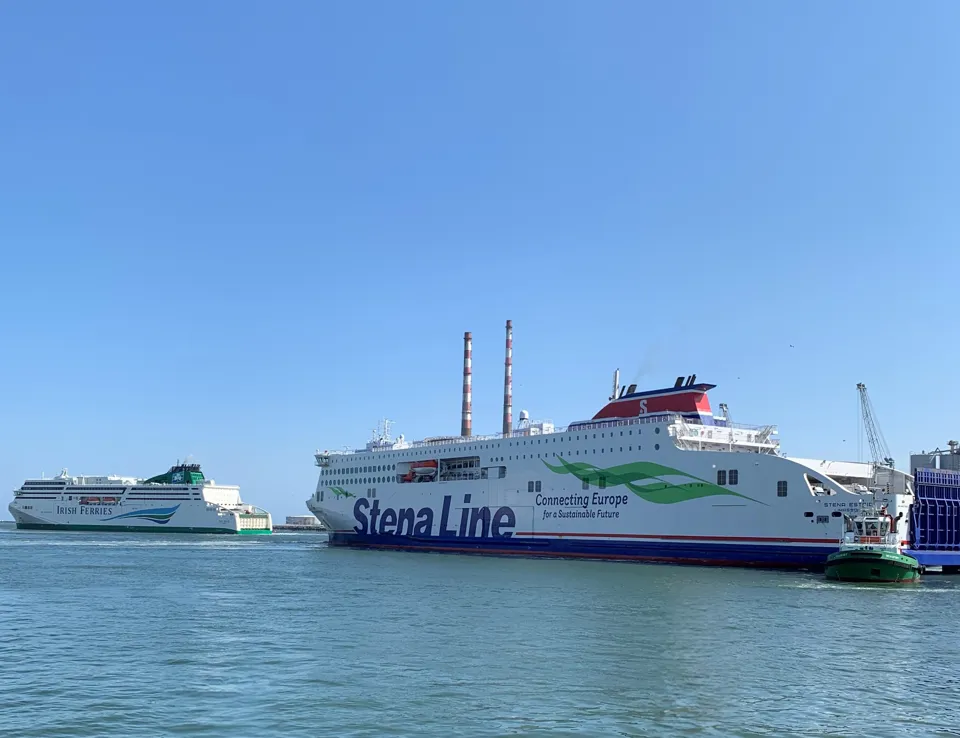
Ricardo’s team of maritime decarbonisation experts have been at the helm of four green shipping corridor projects across Europe, including two pre-feasibility assessments between the UK and Norway, and the UK and Denmark to establish which routes have the most potential to become green shipping corridors; and feasibility studies between Port of Holyhead and Port of Dublin, with Stena Line and Irish Ferries, and in the North Sea Shipping Corridor between Port of Tyne and Port of Ijmuiden, with DFDS.
Phase one of the project begins in November 2025 and includes an analysis of port capacities, the fuel value chain, the mapping of potential routes, and the assessment of infrastructure readiness.
Trusted by the entire maritime ecosystemWe work across the whole maritime value chain. We provide high quality evidence-based research and advice for policy decisions. We analyse the techno-economic, social and environmental impacts of market drivers and disruptive technologies. We innovate, implement and test: using the latest scientific understanding to shape our design and development of alternative power and propulsion systems with conventional and alternative fuels and energy sources. Learn more > |
 |