





End-to-end sustainability and technical support available for ports.
Support to understand the changing policy landscape, recreate or refine masterplans, gather evidence for decision making or implementing strategies - Ricardo can help.


The transition to a low-carbon, multi-fuel future is under way and those who are not already considering how to adapt their ports and operations risk being left behind or overlooked for future opportunities.
Support to understand the changing policy landscape, recreate or refine masterplans, gather evidence for decision making or implementing strategies - Ricardo can help.

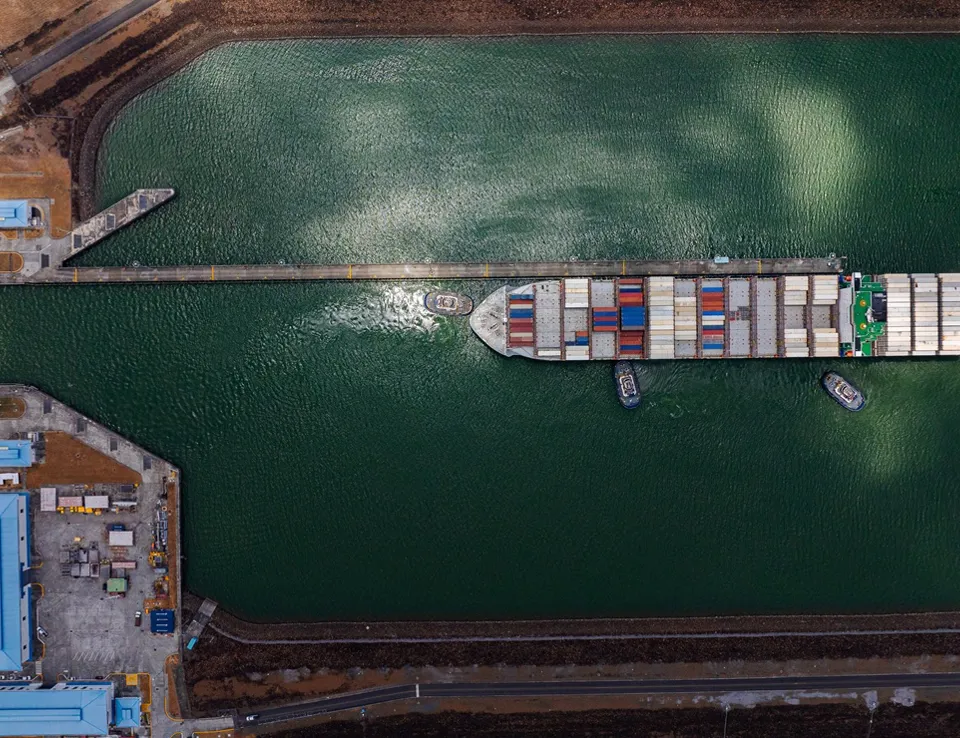
Funded by the European Union delegation in Panama and Costa Rica, the study will deliver an understanding of the technical, financial and policy conditions required to make the Panama–Algeciras corridor a practical green shipping route.
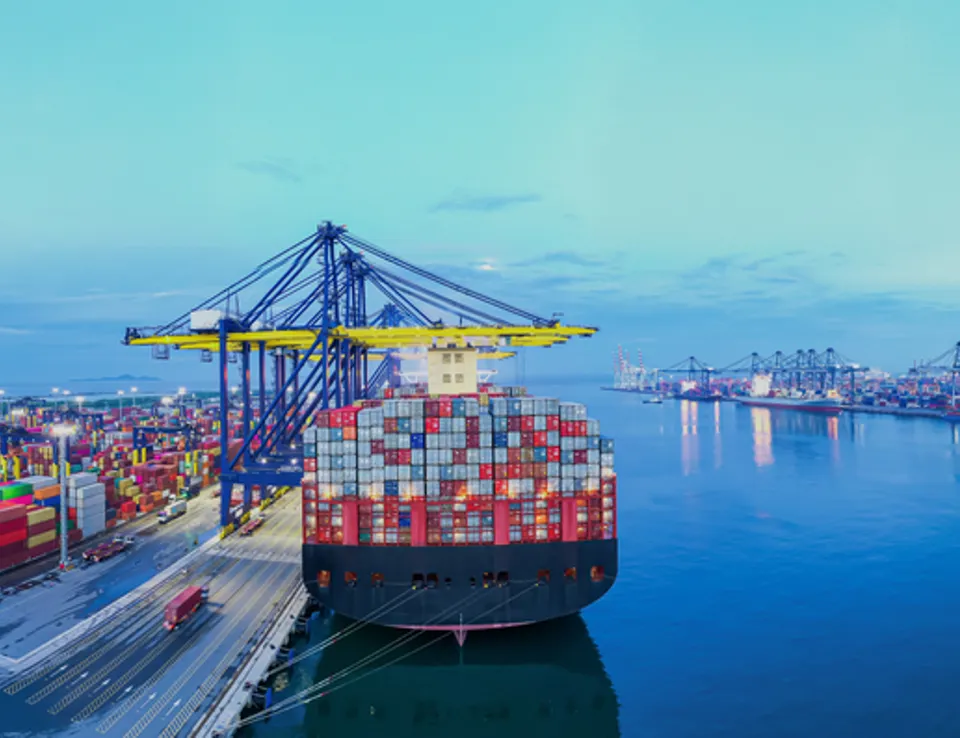
As ports accelerate their transition toward net zero, the complexity of multi-vector energy system planning is growing. With mounting pressure from regulatory frameworks and ports’ own net zero commitments, maritime stakeholders must make strategic decisions that balance sustainability, cost-efficiency and operational resilience.

What Panama and Caribbean sustainable shipping corridors can teach American ports.

Ricardo has provided technical support to the Dubai Environment and Climate Change Authority (DECCA) in developing its Air Quality Strategy 2030, ensuring that the strategy is balanced, equitable and cost-effective.

In the face of accelerating climate change, ports are confronting a new operational reality. Once considered stable bastions of maritime commerce, these coastal infrastructures are now on the front lines of environmental volatility. Rising seas, increasing wind speeds and extreme temperatures are very real present-day disruptors.
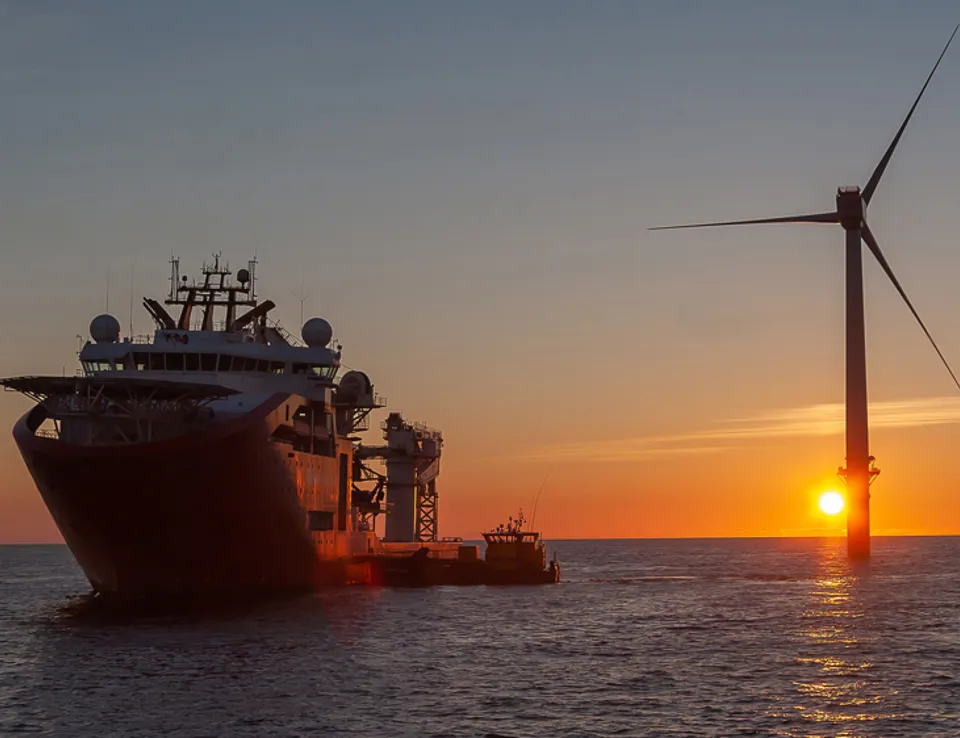
From digital twins to green corridors to ammonia-fuelled engines: all have key roles to play as part of the UK’s bold blueprint for zero-emission shipping.

As Australia plans Westport, the question is whether it can learn from leaders like Rotterdam and Hamburg to become a smart, sustainable, and future-proofed port.

The Port of Huelva aims to strengthen partnerships across the maritime value chain, including industrial fuel producers, terminal operators, fuel suppliers, utilities, and commercial shipping companies.
Sector focused expertise with decades of experience in greening ports, shipping and maritime operations around the world.




Routes where zero-emission shipping solutions are demonstrated and reported, green corridors aim to achieve zero greenhouse gas emissions across the value chain by deploying zero-emissions ships, combined with other emissions reduction activities.

Determine the priorities for the port by analysing priority vessel types and map likely fuel or energy demands; identify the short, medium and long-term needs of the port; and, prioritise routes for further analysis.

Complete a detailed feasibility study on a selected route, exploring requirements for vessels and ports and including environmental and economic analysis on the potential green corridor. A detailed implementation roadmap can also be developed at this stage.

Insight provided on fuel uptake across vessel types based on the direction of policy development and future fuel demand forecasting for the port. A phased timeline detailing the quantities and types of alternative fuels required.

Making the green corridor a reality through owner-consultant support for procuring fuel suppliers; planning and support engineering the roll-out of decarbonisation assets; procurement strategy support; deployment of fuel cell technology for shore power or port machinery; and, support with wider decarbonisation of local area.
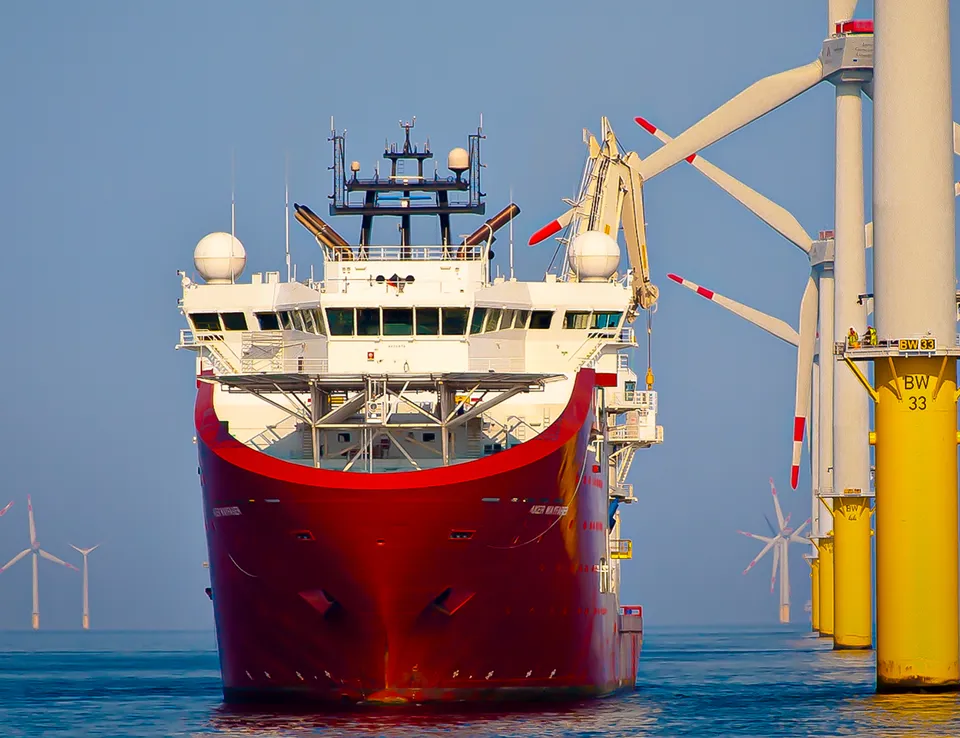
Ricardo’s multi-stack hydrogen fuel cell propulsion technology can support your organisation in achieving vessel decarbonisation goals.


